
FAQ
Everything you want to know before you start building an audience.
Two ways in, six weeks of real work, and a full year of support. Here is exactly what you get, what it costs, how much time it takes, and whether it is right for you.
1 year
Of membership, coaching, and community after the program
12+
Pieces of real published work by the end of the program
6 weeks
Live program, then twelve months of membership
100%
Tuition back if you do the work and see no difference
Two ways to learn
One method. Pick your level of support.
Same six-week program, same year of membership. The only question is how much personal coaching you want on your work.
Most popular
Bedford Studio
$550
Start publishing with a group behind you. Live sessions with working creators, weekly feedback, and a system you keep using long after week six.
- 6-week program
- Live instruction from creators and practitioners
- Weekly workshops and feedback
- Your own Creator Operating System
- Bedford learner community
- 1-year membership to all Bedford programming and updates
Most hands on
Bedford Studio Advanced
$850
Everything in Studio, plus private coaching and creator critique on your actual work. For people who want to move faster and be held to a higher bar.
- 6-week program
- 1:1 coaching and accountability
- Creator feedback on your work
- Your own Creator Operating System
- 1-year membership to all Bedford programming and updates
Scholarships and flexible monthly payment options are available for both plans. Inquire for details.
Our commitment
The Bedford Guarantee
Do the work and it works, or your money back.
We built this for people who are serious about building an audience. Show up, do the steps, publish the work, and if Bedford does not work for you, we will refund your tuition.
- Attend group onboarding
- Complete all program steps
- Finish the Creator Blueprint, Voice Profile, and Ideas Bank
- Publish at least 12 pieces of content
- Attend at least six live sessions during the first six weeks
- Complete the final 90-day plan
Topic
Pricing and plans.
6 questions in this section.
What does Bedford cost?
Which one should I choose?
Can I upgrade from Studio to Studio Advanced?
Are scholarships or payment plans available?
Is this cheaper than hiring help?
Can my employer pay for it?
Topic
Getting started as a creator.
5 questions in this section.
I have no audience yet. Is that a problem?
Do I need to be on camera?
Do I need gear, editing skills, or a studio?
What if I do not know what to post about?
How fast will I see growth?
Topic
How the program works.
6 questions in this section.
How long is Bedford Studio?
What happens during the six weeks?
What do I leave with?
How much time does it take?
What happens after the six weeks?
Is Bedford self-paced?
Topic
People in the Studio.
5 questions in this section.
Who will I actually learn from?
What do coaches do?
What happens in a Studio Session?
What role do peers play?
Is this done for you?
Topic
AI, tools, and content.
5 questions in this section.
Is Bedford an AI tool?
Will AI write my content?
How is this different from ChatGPT or an AI content tool?
What tools will I use?
How does Bedford avoid generic AI content?
Topic
Results and fit.
5 questions in this section.
Who is Bedford for?
Who is it not for?
Do you guarantee growth, leads, or revenue?
How do I know it is working?
Can this turn into income?
Who you learn from
Creators with real audiences look at your real work.
Bedford coaching comes from people who have built followings themselves. They critique your posts and videos every week during the program.
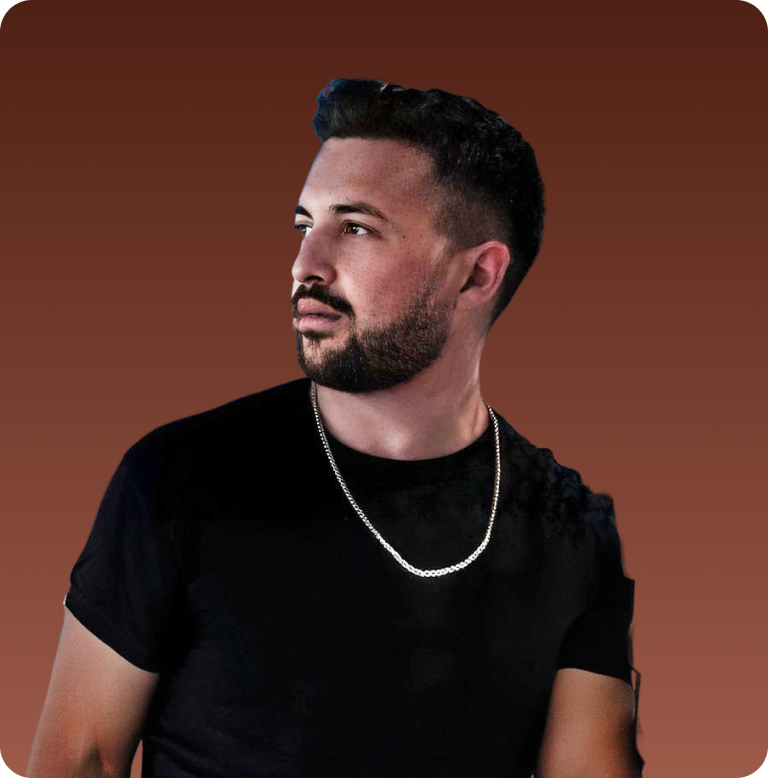
Eugene Litman
Founder, Lit Media Group
360,000 followers
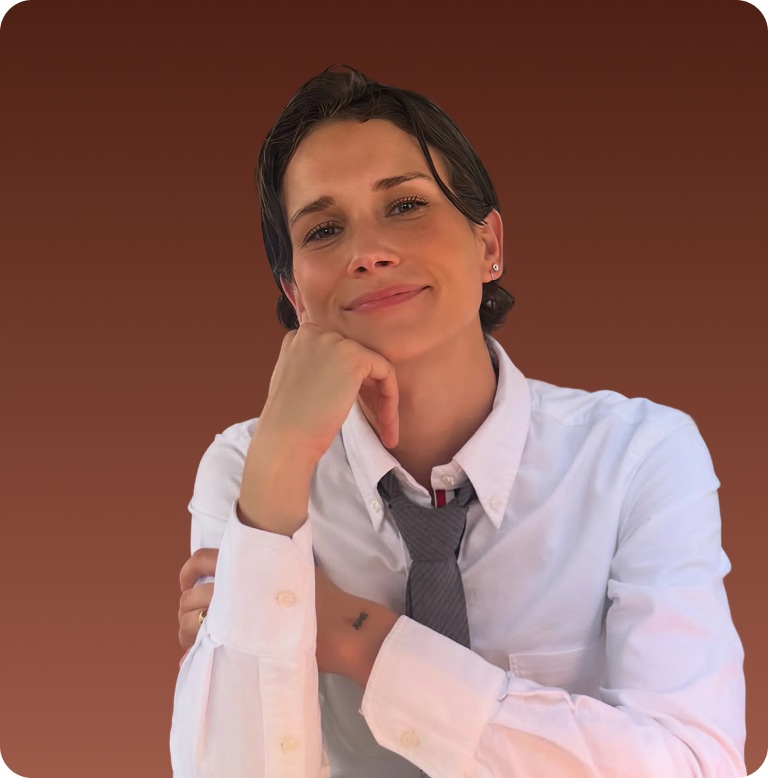
Shannon Beveridge
Creator and podcast host
600,000 followers

Joseph Weaver
Performance coach and creator
550,000 followers
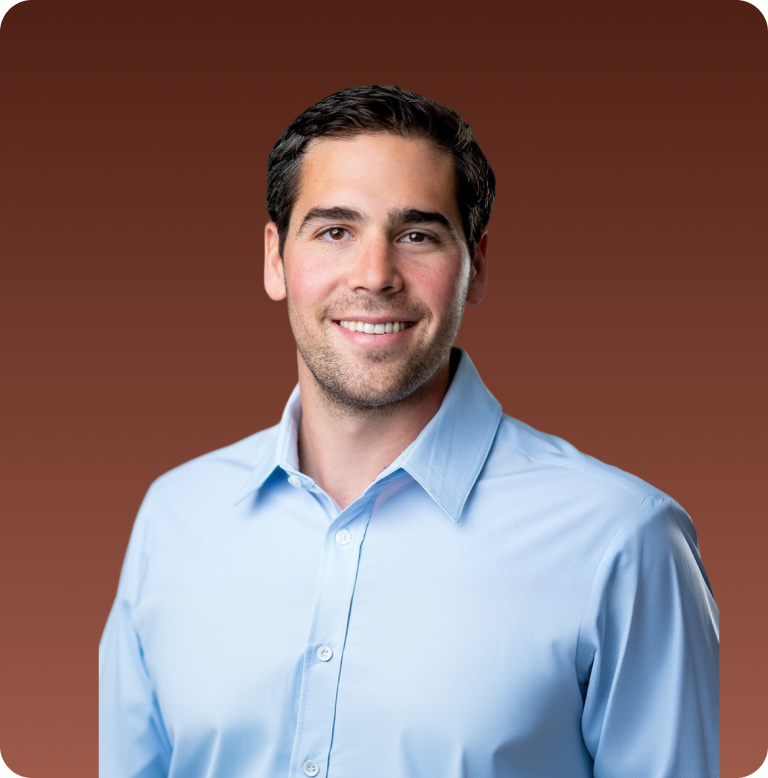
Harris Fanaroff
Founder, Linked Revenue
35,000 followers

Anne Singer
Content-led strategist
50,000 followers





Bedford Studio
Six weeks from now, you could have work in the world.
Join Bedford Studio with group coaching, or add private 1:1 coaching with Bedford Studio Advanced. Both include a full year of membership and a year of people who expect you to show up.